Drone Spraying vs Boom Spraying: When It Wins — and When It Doesn’t (Winter Edition)

Winter pasture spraying can create a difficult decision.
The weeds may be ready to treat, but the paddock is wet, soft and easily damaged. Taking a tractor and boom sprayer across it could leave deep wheel ruts, compact the soil or, in the worst case, result in machinery becoming bogged.
That is where drone spraying can offer a genuine advantage.
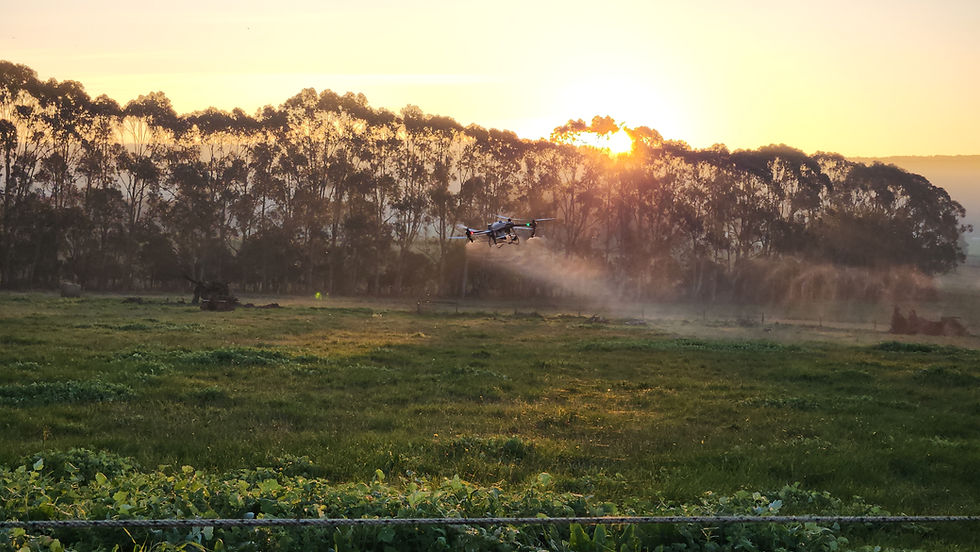
When the paddock is too wet for wheels
Consider a typical Gippsland winter paddock. Broadleaf weeds are competing with the pasture, but regular rain has left the ground saturated.
The spray itself may only take a relatively short time. The bigger concern is what happens when heavy machinery travels across the paddock.
A boom sprayer may leave:
Deep wheel tracks and ruts
Soil compaction
Damage to established pasture
Mud carried across gateways and laneways
A tractor or spray unit at risk of becoming bogged
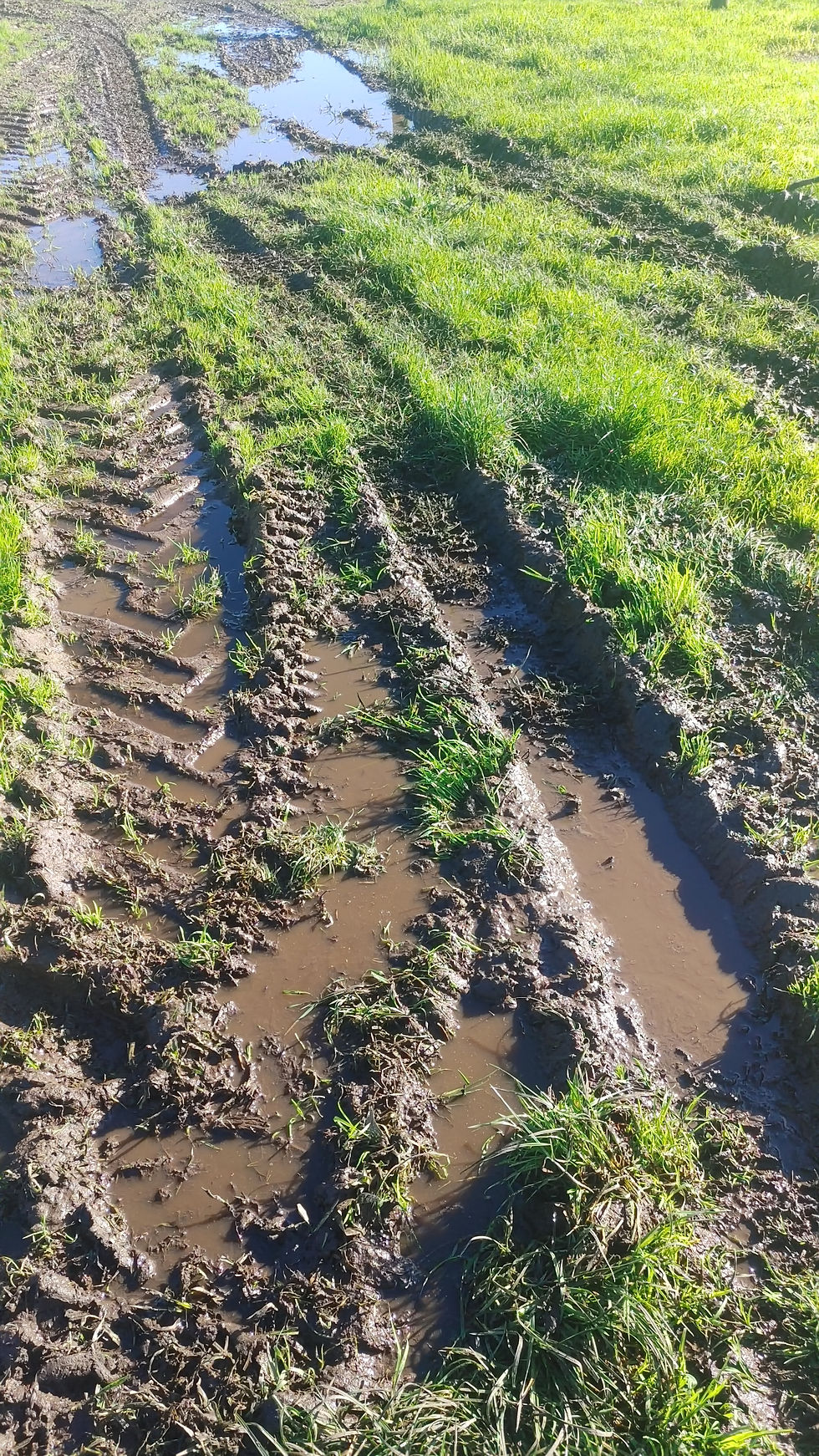
Even when the tractor gets through, the ground-level damage can remain long after the spraying is finished.
A drone operates without driving over the paddock. That means the treatment can be applied without creating wheel tracks, disturbing the soil or flattening pasture beneath the machinery.
In these conditions, the advantage is not simply getting the spraying completed. It is completing it while reducing unnecessary damage to the productive ground underneath.
Where drones have the advantage
Drone spraying is particularly useful during winter when:
Paddocks are wet, soft or waterlogged
Tractor access could create significant rutting
Steep areas are difficult or unsafe for machinery
Only specific sections of a paddock require treatment
Gates, drains, gullies or other obstacles restrict access
Protecting pasture and soil condition is a priority

For farmers who have already experienced a tractor becoming bogged—or spent months looking at deep wheel marks across a paddock—the value can be easy to understand.
The drone stays above the ground, allowing the treatment to reach the target without adding another problem underneath it.
But drones do not replace boom sprayers everywhere
A boom sprayer can still be the better option when paddocks are firm, level and easily accessible.
For large, open areas in suitable ground conditions, a boom sprayer may cover hectares quickly and economically. It can also make sense when the equipment is already on the property and there is little risk of damaging the paddock.
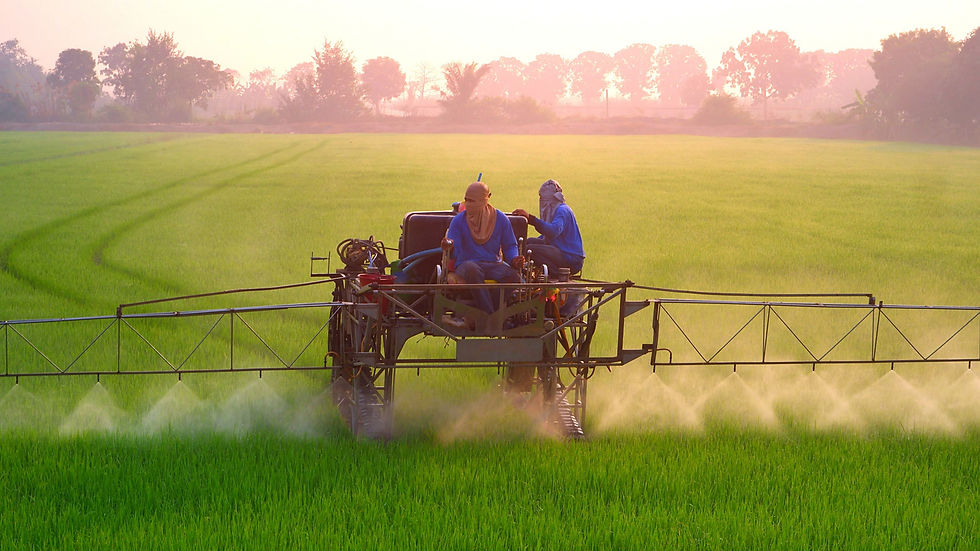
Drone spraying is not about claiming that one method is always better.
It is about choosing the right tool for the conditions.
When the ground is firm and access is straightforward, a boom may be the practical choice. When the paddock is wet, steep or vulnerable to machinery damage, the drone begins to show its real advantage.
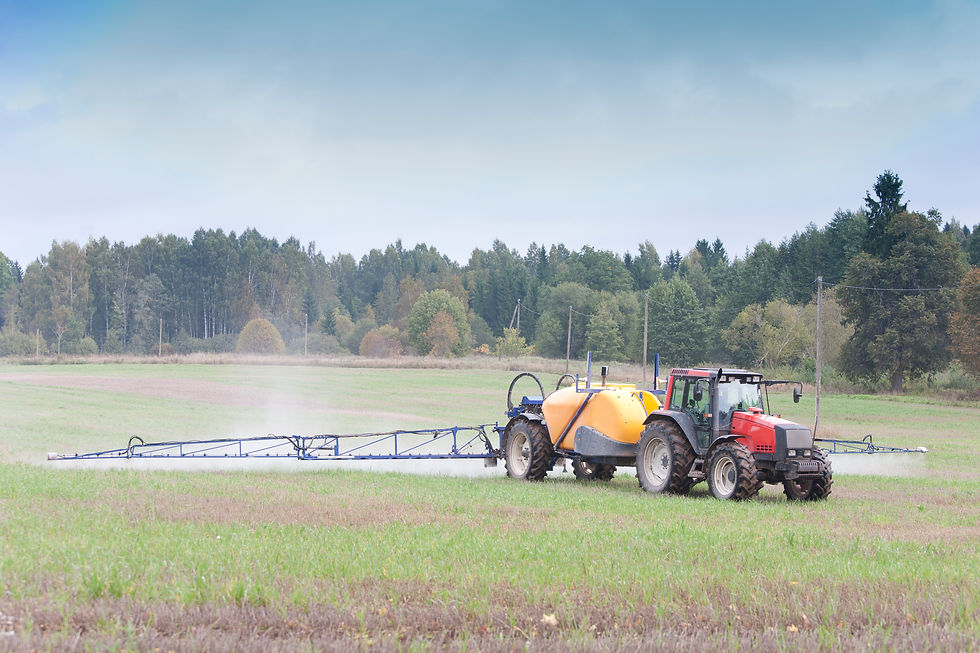
Look beyond the spraying cost
It can be tempting to compare spraying methods using only the price per hectare.
However, in winter, the cheapest application method may not be the cheapest overall option.
The calculation should also consider:
Potential pasture damage
Time spent recovering bogged machinery
Repairs to rutted gateways and paddocks
Soil compaction
Delays while waiting for the ground to dry
The cost of weeds continuing to compete with the pasture
Sometimes waiting for tractor access is reasonable. In other situations, waiting several more weeks may allow the weeds to become larger, harder to control or more competitive.
A drone can provide another option when the timing is right but the ground conditions are not.
The winter advantage
Boom spraying remains an efficient and valuable method of application. However, winter conditions can change the equation.
When taking machinery onto the paddock risks causing more damage than the weeds themselves, drone spraying may offer the better approach.
No bogging. No wheel ruts. No soil compaction from the application equipment.
Just airborne precision focused on achieving results where they matter most—on the ground.
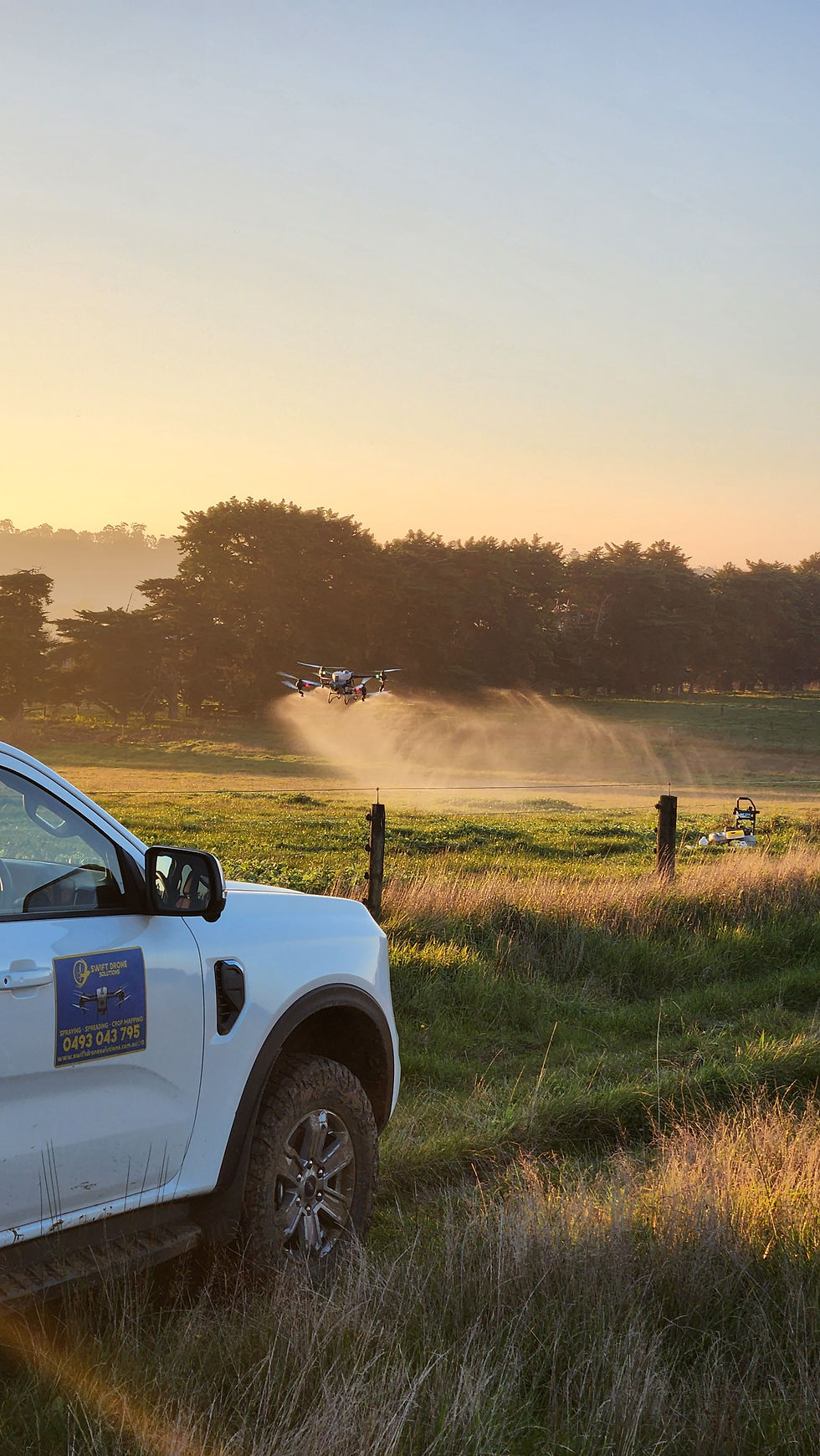
Swift Drone Solutions provides precision drone spraying across Gippsland, including wet, steep and difficult-to-access properties.
Airborne precision. Ground-level results.
To discuss whether drone spraying may suit your property, contact Josh on
0493 043 795.


Comments